Plan Your Visit: Bukchon Hanok Village Map, Hours & Directions
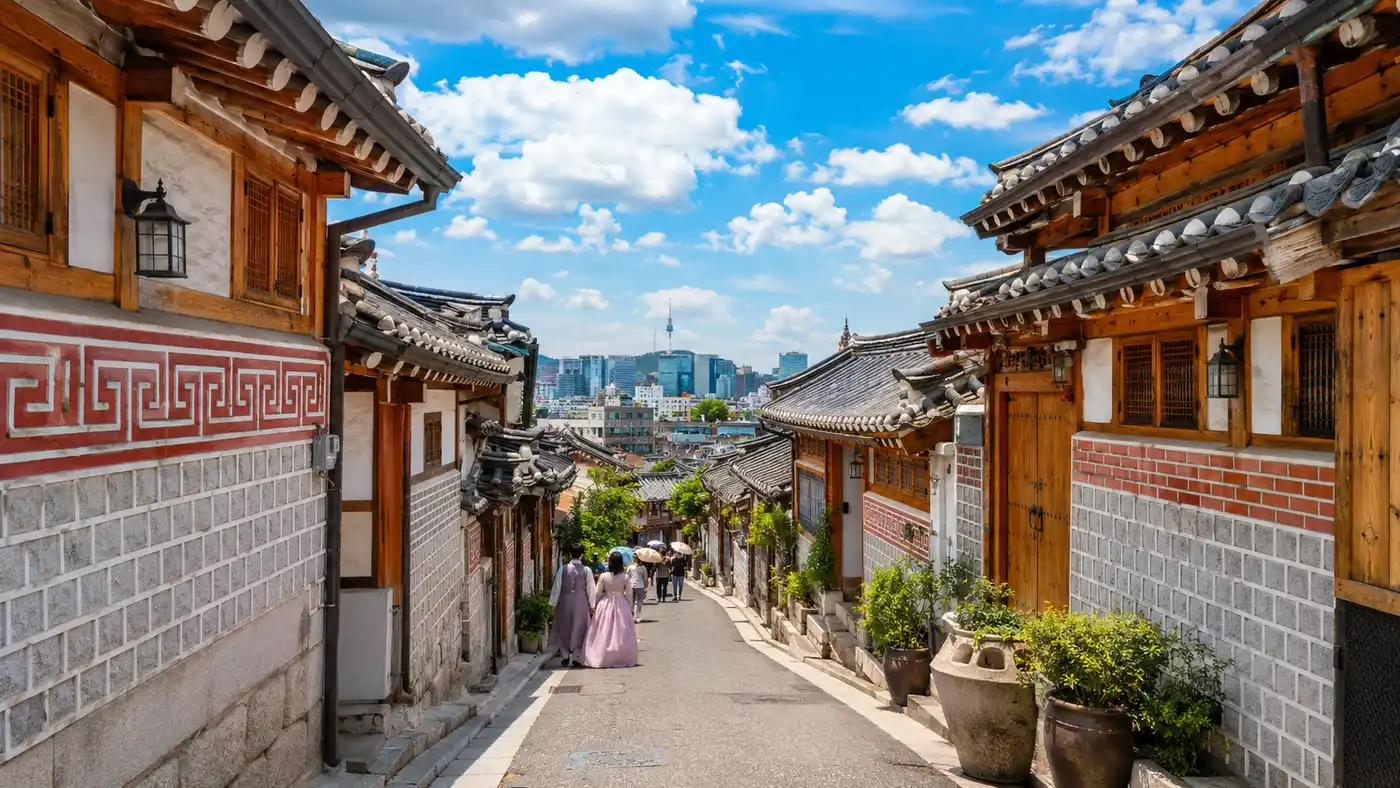
Seoul offers so many experiences, but few are quite like stepping into Bukchon Hanok Village. It's a place where time feels a little different, where the traditional Korean houses, called hanok, still stand proudly amidst the modern city bustle. If you're planning a trip, knowing exactly how to get to Bukchon Hanok Village is your first step to a smooth visit. Trust me, you want to get this right.
This guide isn't just about directions, though. We'll cover the best times to go, how long you really need, and what to expect when you're wandering those charming, often steep, alleys. You'll find practical tips, a few local insights, and honestly, everything I wish I knew before my first visit. Let's make sure your journey into Seoul's past is as enjoyable as possible.
Book your bukchon hanok village experience:
Navigating to Bukchon Hanok Village: Your Directions Guide
Getting to Bukchon Hanok Village is relatively straightforward, especially if you're comfortable with Seoul's excellent subway system. This is definitely the way I recommend. Your primary destination is Anguk Station, which is on Line 3, the orange line. Once you arrive there, you'll want to take Exit 2. From there, it's a pleasant, albeit slightly uphill, walk of maybe 10 to 15 minutes to reach the heart of the village. The signs are pretty good once you're out of the station. You will pass a few interesting shops and cafes on your way up, so keep an eye out.
Buses are another option, of course, but honestly, the subway is just less confusing for visitors. If you prefer the bus, several routes stop near the village, like numbers 01, 02, or 11. You would aim for the Bukchon Hanok Village Bus Stop or the Jungdok Public Library stop. I've used the bus before, but it takes a bit more planning if you're not familiar with the city's routes. Taxis are always available, too. They will drop you off at the bottom of the main village areas, and then you'll just walk up. This is a good choice if you're tired or carrying a lot of camera gear, though it costs a fair bit more.
Pro tip: Download a good offline map of Seoul before you go. Google Maps works fine, but Naver Map or Kakao Map are even better for local public transport directions in Korea. They really help with bus routes and exact walking paths.
The village itself doesn't have a single "address" in the way a modern building does, since it's a residential neighborhood. However, for general navigation or if you're telling a taxi driver, you can use something like "Gyedong-gil, Jongno-gu, Seoul" or "Gahoe-dong, Jongno-gu, Seoul" as a reference. Most drivers will know exactly what you mean by "Bukchon Hanok Village." Remember, this is a historic area, so specific building numbers might not always be sequential or easy to spot. For more general information about visiting this amazing city and all its hidden gems, you can always check out our travel guide to Seoul.
| Method of Transport | Nearest Stop/Station | Estimated Travel Time (from central Seoul) | Approximate Cost (KRW) |
|---|---|---|---|
| Subway | Anguk Station (Line 3, Exit 2) | 25 - 40 minutes | 1,250 - 1,450 |
| Bus | Bukchon Hanok Village Bus Stop | Varies greatly by route | 1,200 |
| Taxi | Bukchon Hanok Village entrance | 15 - 25 minutes | 8,000 - 15,000 |
Finding Your Way Around: Bukchon Hanok Village Map & Key Spots
Once you're in the village, a Bukchon Hanok Village map becomes really useful. You can often find paper maps at the tourist information center, which is located near Anguk Station Exit 2, or sometimes at the entrance points to the village itself. These maps usually highlight the famous "Eight Scenic Spots of Bukchon," which are specific viewpoints offering iconic photo opportunities of the hanok roofs and city skyline. Honestly, I recommend just wandering. Sometimes the best views are in the alleys you stumble upon.
The village is built on a hill, so expect some uphill climbs and downhill stretches. Wear comfortable shoes, seriously. The main areas people visit are usually around Gahoe-dong and Samcheong-dong, which offer stunning views of traditional architecture blending with the modern city, including glimpses of Namsan Tower on a clear day. Don't be afraid to take a few turns down a quiet side street; that's where you find the really charming details, like small art galleries or hidden tea houses.
Note: While wandering is encouraged, remember that Bukchon is a residential area. Many of the hanoks are still homes to families. Keep your voice down, respect privacy, and avoid peeking into windows or making excessive noise, especially during early mornings or late evenings.
There are a few key spots that usually feature on any Bukchon Hanok Village map. The main one is probably the alley leading up to Bukchon-ro 11-gil, which offers that classic view of tiled roofs cascading down towards the city. Another popular area is Samcheong-dong-gil, which has a slightly more commercial feel with cafes and boutiques, but still maintains its traditional charm. You can find more details on specific places to explore in our article about Top Things to Do in Bukchon Hanok Village.
When to Go and How Long to Stay: Bukchon Hanok Village Hours & Timing
The question of "best time to visit Bukchon Hanok Village" comes up a lot, and for good reason. It can get crowded. The village itself doesn't really have "hours" in the traditional sense, as it's an open residential area. You can walk through it any time of day or night. However, the shops, cafes, and cultural centers within the village generally operate from around 10:00 AM to 6:00 PM, though this can vary. Most places will be closed on Mondays, so keep that in mind if you're planning specific activities.
- Best time to visit: Early morning, right after sunrise, before 9:00 AM. The light is beautiful for photos, and there are far fewer people.
- Weekdays vs. Weekends: Weekdays are always less crowded than weekends. If you can swing it, a Tuesday or Wednesday morning is ideal.
- Season: Spring (April-May) and Autumn (October-November) offer the most pleasant weather for walking around, with cherry blossoms or vibrant fall foliage adding to the beauty.
- Avoiding crowds: Try to avoid Korean public holidays; the village can get packed.
As for "how long to spend in Bukchon Hanok Village," it really depends on your interest level. If you just want to walk through the main alleys, snap some photos, and maybe grab a coffee, you could be done in about 1.5 to 2 hours. However, to truly soak it all in, explore a few side streets, visit a small museum or craft shop, and enjoy a traditional tea ceremony, I'd budget at least 3 to 4 hours. You might even find yourself wanting to spend half a day if you're really into photography or just enjoying the atmosphere. I've spent an entire afternoon there, just slowly exploring and people-watching.
Book your bukchon hanok village experience:
Is Bukchon Hanok Village Free? Costs and What to Expect
This is a common question: "Is Bukchon Hanok Village free?" The simple answer is yes, walking around and enjoying the general atmosphere of the village is absolutely free. You won't pay an entrance fee to stroll through the alleys or admire the traditional architecture. This makes it a really accessible and budget-friendly attraction in Seoul. It's one of those places that gives you a lot of cultural bang for zero bucks.
However, while the village itself is free, there are several things within it that do come with a cost. Many hanoks have been converted into small museums, art galleries, traditional craft workshops, or tea houses. If you want to enter these, participate in a craft activity (like making traditional paper or knotting), or enjoy a cup of traditional tea, you will need to pay. Prices for these activities vary, but expect to pay anywhere from 5,000 KRW to 20,000 KRW for most experiences. Some places offer tours or workshops that are a bit more expensive, maybe around 30,000 KRW. Wearing a hanbok, the traditional Korean dress, is also popular here; rental shops charge around 15,000 to 30,000 KRW for a few hours. You can read more about dining and staying options in our article about Best Restaurants, Cafes & Hotels in Bukchon Hanok Village.
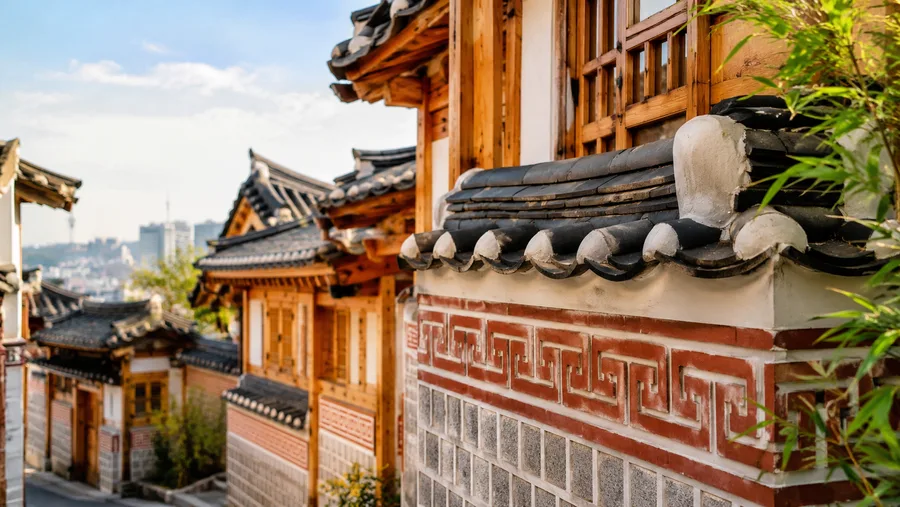
What should you expect when you visit? You'll find beautifully preserved hanok houses, many with intricate tiled roofs and wooden gates. The streets are clean, though some are quite steep. You'll see tourists taking photos, sometimes people wearing hanbok, and maybe a few residents going about their daily lives. The atmosphere is generally quiet and respectful, a stark contrast to the bustling city centers nearby. There are plenty of opportunities for unique photos, especially if you get there early before the crowds. It's a truly unique glimpse into Korea's past, right in the heart of its modern capital.
Beyond the Main Alleys: Exploring More of Bukchon
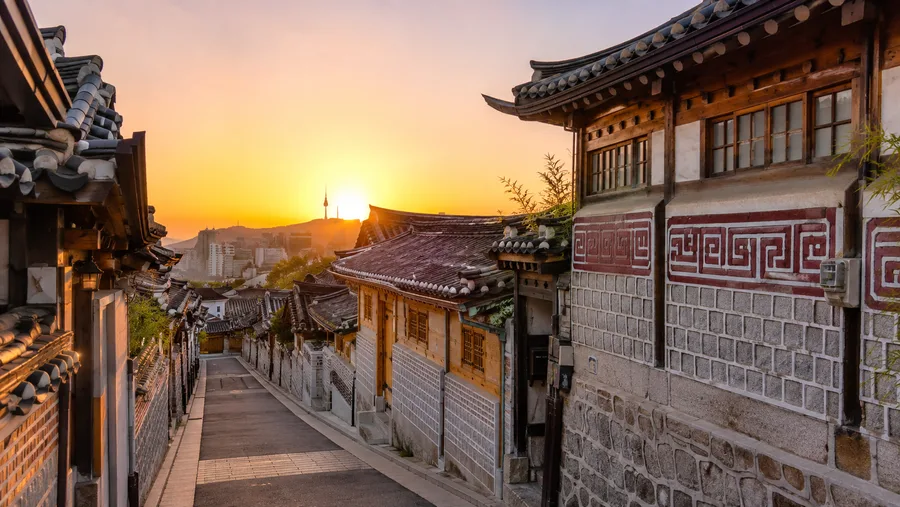
While the main thoroughfares and the famous "Eight Scenic Spots" are definitely worth seeing, the real magic of Bukchon Hanok Village often lies in its less-trodden paths. Don't be afraid to veer off the well-worn tourist routes. You might discover a tiny, unassuming gallery showcasing local artists, or a quiet cafe tucked away where you can enjoy a peaceful moment with a view of traditional rooftops. These unplanned discoveries often become the most memorable parts of a trip, I think.
One thing I always appreciate about Bukchon is the way it encourages a slower pace. You're not rushing from one major attraction to the next. Instead, you're absorbing the ambiance, noticing the intricate details on a wooden door, or the way the sunlight hits a particular corner. There's an authentic, lived-in feel to it, despite its popularity. It's a place for quiet contemplation as much as it is for sightseeing. Maybe try to find a spot with a bench and just sit for 15 minutes, watching the world go by.
Consider visiting one of the small cultural centers or workshops. They offer a hands-on way to connect with Korean traditions, whether it's learning about traditional embroidery, wood carving, or even just participating in a simple tea ceremony. These experiences add a deeper layer to your visit beyond just taking pictures. They give you a story to tell, something more personal than just another pretty photo. It makes the trip feel more meaningful, honestly.
- Respect Residents: Bukchon is a living neighborhood. Keep noise down, especially near homes.
- Wear Good Shoes: The village has steep, often uneven, streets. Comfort is key.
- Visit Tourist Information: They offer free maps and can answer questions.
- Stay Hydrated: Especially on warm days, bring water for your uphill walks.
- Look Up & Down: Don't just focus straight ahead. The roofs and ground details are beautiful.
Frequently Asked Questions about how to get to bukchon hanok village
Is Bukchon Hanok Village worth visiting?
Absolutely, it's a unique and essential part of any Seoul itinerary, offering a beautiful glimpse into traditional Korean architecture and culture amidst the modern city.
Can I wear a hanbok in Bukchon Hanok Village?
Yes, many visitors rent hanbok, the traditional Korean dress, to wear while exploring the village and taking photos. There are several rental shops nearby.
How crowded does Bukchon Hanok Village get?
It can get very crowded, especially on weekends, public holidays, and during peak tourist seasons. Visiting early in the morning on a weekday is the best way to avoid large crowds.
Quick Reference
- Location: Jongno-gu, central Seoul
- Cost: Free to explore
- Nearest Subway: Anguk Station (Line 3, Exit 2)
- Best Time: Early weekday mornings
- Recommended Duration: 2-3 hours
Book your bukchon hanok village experience:
Worth the Trip?
Bukchon Hanok Village is more than just a collection of old houses; it’s a living museum, a quiet corner where Korea’s past gracefully coexists with its bustling present. Figuring out how to get to Bukchon Hanok Village might seem like a small detail, but it sets the tone for your entire visit. Once you're there, with comfortable shoes and an open mind, you'll find a truly rewarding experience. It's a place that invites you to slow down, to look closely, and to appreciate the enduring beauty of Korean tradition. Don't miss it.
Read more about bukchon hanok village.