Bukchon Hanok Village Itinerary: Palaces, Insadong & Comparisons
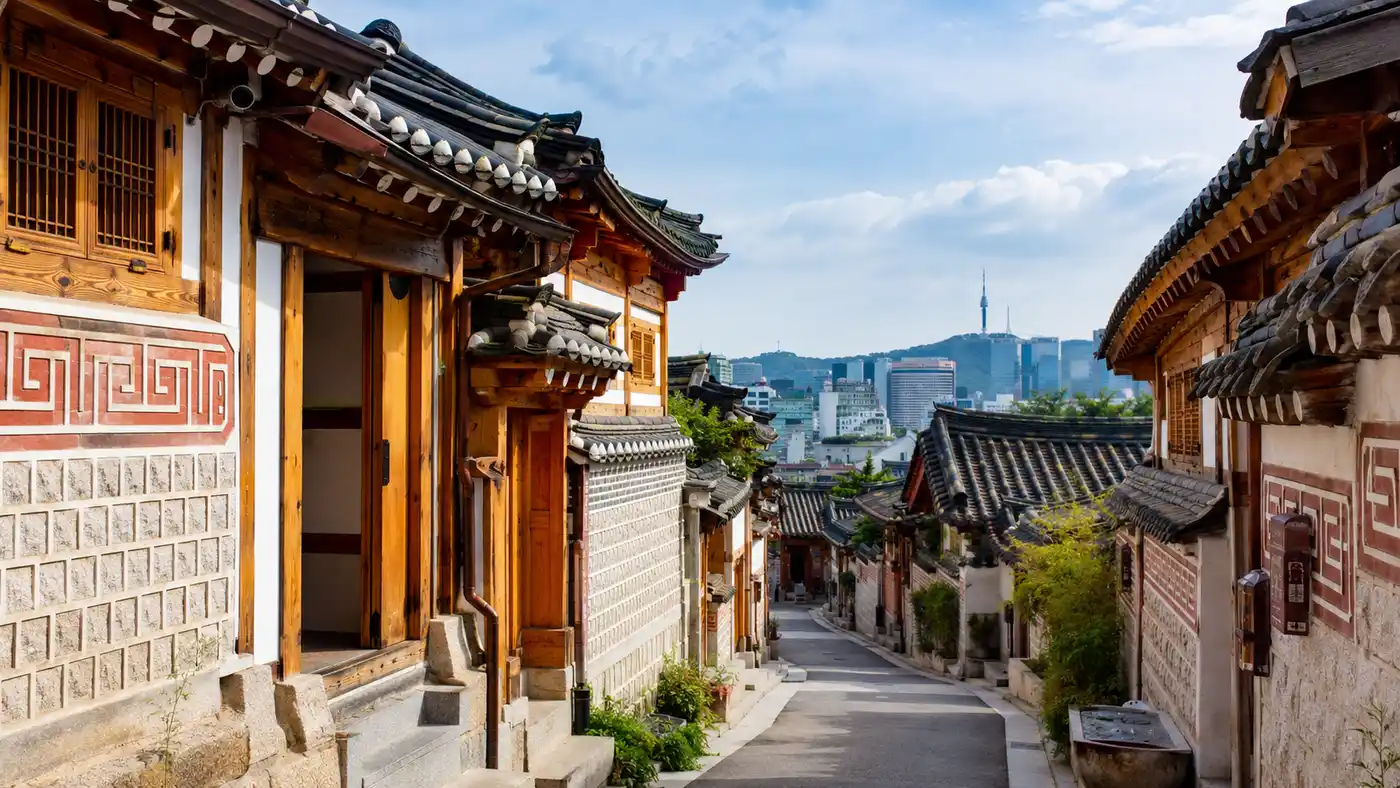
Seoul holds this incredible blend of ancient history and hyper-modern energy, a duality that honestly fascinates me every time I visit. If you are looking to truly immerse yourself in the city's past, piecing together a solid bukchon hanok village itinerary becomes essential. This isn't just about pretty pictures; it’s about walking the same paths people did hundreds of years ago, feeling the quiet dignity of traditional Korean homes nestled between bustling modern districts. We're going to dive deep into how to make the most of a day or two exploring this historic neighborhood, connecting it seamlessly with grand palaces and the vibrant streets of Insadong. I will share some practical tips, compare Bukchon with other hanok villages, and hopefully give you a real sense of what to expect.Book your bukchon hanok village experience:
Starting Your Day: Gyeongbokgung Palace to Bukchon Hanok Village
I always suggest beginning your traditional Seoul exploration at Gyeongbokgung Palace. It is the largest of the Five Grand Palaces, and its sheer scale really sets the stage. Plan to arrive right at opening, maybe 9:00 AM, to beat the biggest crowds. You will want at least two hours to wander through the courtyards, see the Throne Hall, and maybe catch the changing of the guard ceremony if your timing is lucky. It happens at 10:00 AM and 2:00 PM, lasting about 20 minutes. After soaking in the royal grandeur, the next step is a pleasant stroll. Getting from Gyeongbokgung Palace to Bukchon Hanok Village is quite straightforward, honestly, it’s mostly just a short walk. You exit Gyeongbokgung through the east gate, sometimes called the Folk Museum gate, and head towards the main road. Follow the signs, or just keep the general direction of the mountains to your right. You will cross a few streets, maybe grab a coffee from a small shop. The walk itself takes about 15 minutes, depending on how many times you stop to look at the interesting shops popping up along the way. I often find myself distracted by a cool stationery store or a tiny bakery. This walk is part of the experience, giving you a gradual transition from imperial grounds to residential history.Pro tip: Rent a hanbok (traditional Korean dress) near Gyeongbokgung Palace. Many shops offer rentals for about 15,000 to 20,000 won for four hours. Wearing one gets you free entry into the palaces, and it makes for truly memorable photos in Bukchon.
Exploring Bukchon Hanok Village: The Heart of the Itinerary
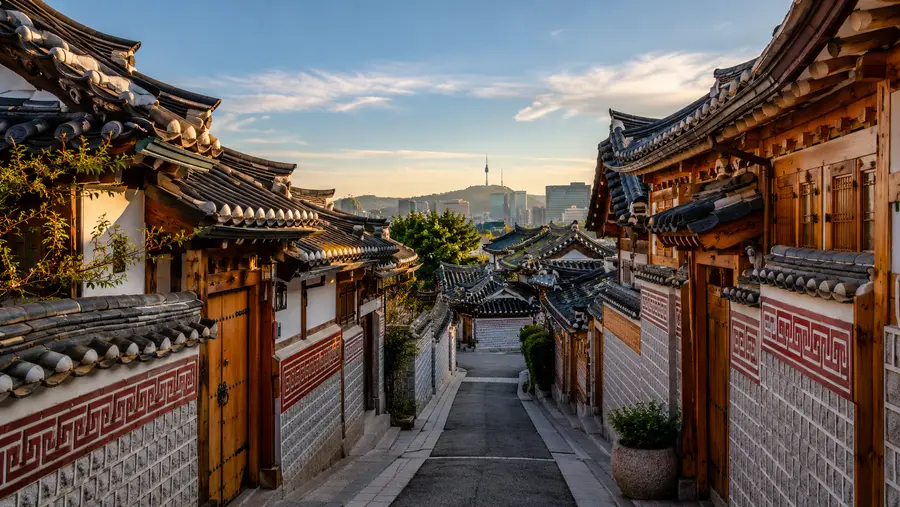
Once you are officially in Bukchon, the atmosphere shifts. This isn't a museum or a theme park; it is a living neighborhood where people still reside in these beautiful, preserved hanok houses. The main draw here is simply walking the narrow, winding alleys and admiring the architecture. The tiled roofs, stone walls, and intricate wooden details are stunning. There are specific "eight scenic spots" in Bukchon Hanok Village that offer fantastic views, especially over the city skyline or into the village itself. You can find detailed maps and directions to these viewpoints at the tourist information centers located at the village entrances. Don't rush through. Take your time. Some of the best discoveries are found down a quiet side street, maybe a tiny gallery or a traditional tea house tucked away. I remember finding this one small ceramic studio, completely by chance, with the most beautiful handmade cups. It was completely unexpected. You can easily spend two to three hours just wandering, stopping for photos, and maybe a refreshing drink. Many visitors enjoy specific attractions near Bukchon Hanok Village too, like the Bukchon Traditional Culture Center, which sometimes hosts craft workshops. For a deeper dive into the village's offerings, including specific photo spots and workshops, you might find more details on our Top Things to Do in Bukchon Hanok Village article.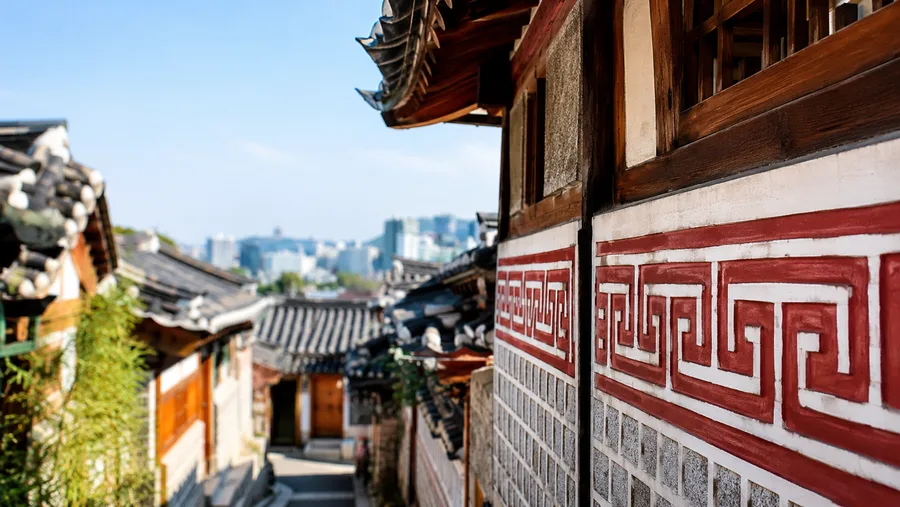
Afternoon Serenity: Bukchon Hanok Village to Changdeokgung Palace
From Bukchon, Changdeokgung Palace is just a stone's throw away. Seriously, it's right there. You can walk from the eastern edge of Bukchon to the palace's main gate in about 10 minutes. This makes for a very convenient transition, keeping your bukchon hanok village itinerary flowing smoothly. Changdeokgung, a UNESCO World Heritage site, offers a different vibe than Gyeongbokgung. It feels more integrated into the natural landscape, less formal, more organic. The real gem here is the Secret Garden, or Huwon. You absolutely have to book a guided tour for this, and spots can be limited, so check the schedule online beforehand. The tour takes about 90 minutes. It's an incredible experience, walking through these ancient, untouched grounds with pavilions, ponds, and dense forests. I think the Secret Garden is especially beautiful in autumn, with all the leaves changing colors, but honestly, it’s magical any time of year. Just remember to wear comfortable shoes because there is quite a bit of walking involved. Here is a quick look at some key aspects of visiting Changdeokgung:- Entry Fee: Palace entry is usually around 3,000 won for adults. The Secret Garden tour costs an additional 5,000 won.
- Tour Times: Secret Garden tours run several times a day in different languages. Check the official website for up-to-date schedules.
- Best Time to Visit: Late morning or early afternoon is ideal, especially if you want to combine it with Bukchon.
Book your bukchon hanok village experience:
Evening Delights: Bukchon Hanok Village to Insadong
As the sun begins to set, transitioning from Bukchon Hanok Village to Insadong is a natural next step for dinner and some souvenir shopping. The walk is easy, maybe 15 to 20 minutes downhill from the main Bukchon area. You will find yourself on a bustling main street lined with art galleries, traditional craft shops, and a seemingly endless array of tea houses and restaurants. This area is perfect for finding unique gifts, like handmade pottery or traditional Korean paper goods. Insadong is famous for its lively atmosphere, especially Ssamziegil, a four-story shopping complex with a unique spiral design. It houses dozens of small shops selling crafts, fashion, and art. There is also a great variety of food. You can find anything from street food snacks like hotteok (sweet pancakes) to sit-down restaurants serving traditional Korean fare. I always make a point to try a traditional tea house here, maybe with some rice cakes. It is a lovely way to wind down after a day of walking. If you are curious about specific places to eat or stay in the area, our Best Restaurants, Cafes & Hotels in Bukchon Hanok Village article might offer some good suggestions, as Insadong is very close.Note: Some shops in Insadong, especially the smaller artisan ones, might close around 7:00 PM or 8:00 PM. Restaurants and cafes typically stay open later, often until 10:00 PM or 11:00 PM.
Bukchon Hanok Village vs Namsangol Hanok Village: Which One?
Travelers often ask about the difference between Bukchon and Namsangol Hanok Village. Both offer a glimpse into traditional Korean life, but they serve different purposes and provide distinct experiences. Bukchon is a living, breathing residential area, meaning you are walking through actual streets where people live. Namsangol, on the other hand, is a recreated village, more like an open-air museum. Here is a quick comparison to help you decide which fits your bukchon hanok village itinerary better:| Feature | Bukchon Hanok Village | Namsangol Hanok Village |
|---|---|---|
| Type | Actual residential neighborhood | Recreated historical village/museum |
| Atmosphere | Authentic, quiet, living history | Educational, curated, often hosts events |
| Cost | Free to wander (some attractions have fees) | Free entry (some experiences have fees) |
| Activities | Walking, photography, small cafes, galleries | Traditional craft experiences, performances, tea ceremonies |
| Location | Between Gyeongbokgung and Changdeokgung | At the foot of Namsan Mountain, near Chungmuro Station |
| Time Needed | 2-3 hours for a good wander | 1.5-2 hours for main areas and an activity |
Frequently Asked Questions about bukchon hanok village itinerary
Is Bukchon Hanok Village worth visiting?
Absolutely, it offers a unique glimpse into traditional Korean architecture and culture, right in the heart of modern Seoul.
How much time do I need for Bukchon Hanok Village?
You should allocate at least 2 to 3 hours to comfortably explore the main alleys and enjoy the views.
Can you walk from Gyeongbokgung Palace to Bukchon Hanok Village?
Yes, it is a very easy and pleasant walk, taking about 15 minutes from the east gate of Gyeongbokgung.
Is Bukchon Hanok Village free?
Wandering the streets of Bukchon is free, though some specific cultural centers or workshops within the village may charge a small fee.
Quick Reference
- Location: Jongno-gu, Seoul
- Best Time: Early morning, weekdays
- Nearby Palaces: Gyeongbokgung, Changdeokgung
- Walk to Insadong: 15-20 minutes
- Cost: Free to explore
Book your bukchon hanok village experience:
My Take on the Bukchon Hanok Village Experience
A well-planned bukchon hanok village itinerary really offers a full day of historical immersion, seamlessly connecting grand palaces with charming traditional streets and modern cultural hubs. It is a journey through time, showing you the layers of Seoul's identity. I always leave feeling a little more connected to the city's past, and a little more appreciative of its beauty. It is an experience that sticks with you, long after you have left the quiet alleys.Read more about bukchon hanok village.