Best Restaurants, Cafes & Hotels in Bukchon Hanok Village
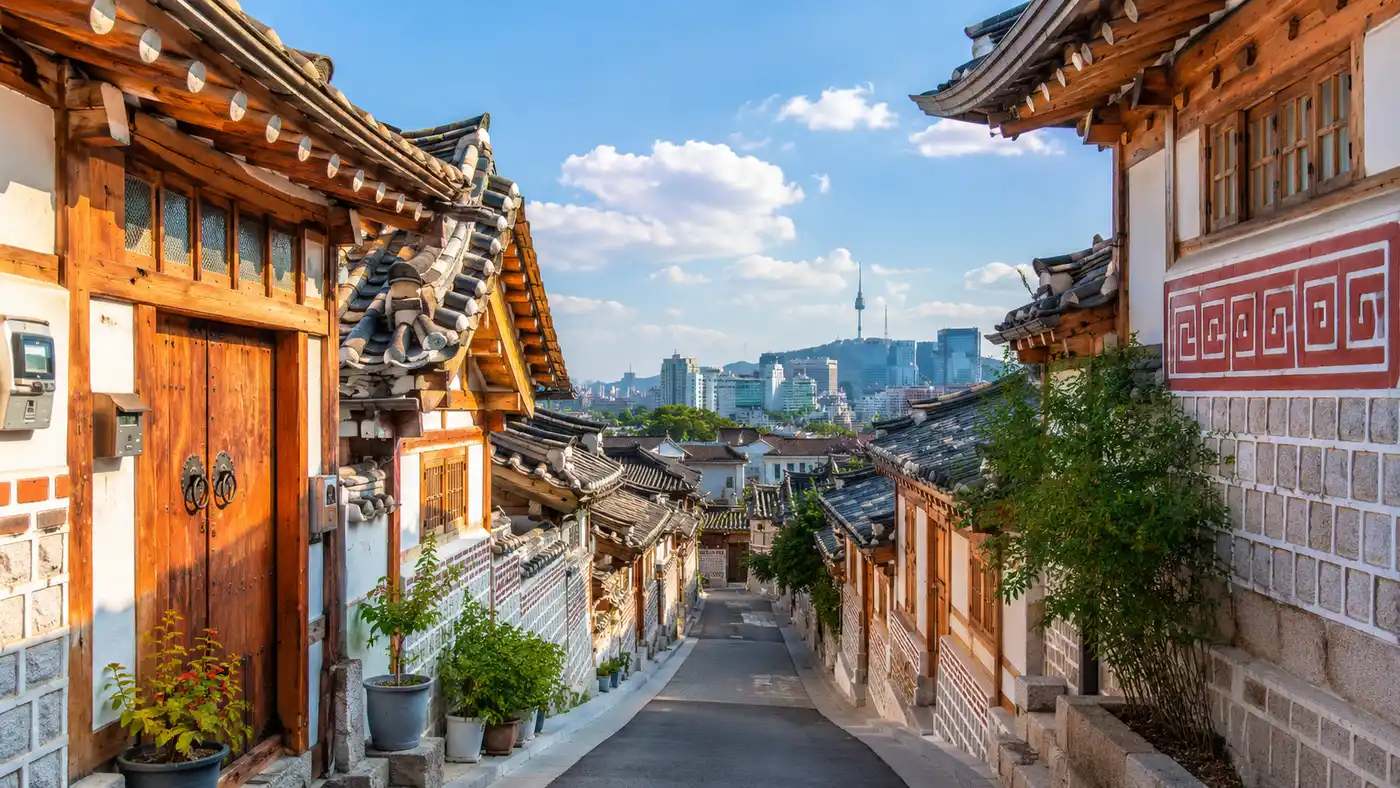
Exploring the winding alleys of Bukchon Hanok Village is a journey into Seoul's rich past. You walk past these beautiful traditional homes, many of them hundreds of years old, and it feels like stepping back in time. But even in such a historic place, a traveler gets hungry, maybe a little thirsty, and eventually needs a place to rest their head. Finding authentic bukchon hanok village restaurants, a cozy cafe, or a charming place to stay can really make or break your experience here.
This guide is all about helping you navigate the culinary landscape and accommodation options within and around Bukchon. We will look at traditional eateries, pinpoint the best cafe in Bukchon Hanok Village for a quiet moment, and explore a range of places to sleep, from guesthouses to modern hotels. Forget generic tourist traps; we are searching for genuine local flavor and comfortable stays that truly complement the unique atmosphere of this incredible neighborhood.
Book your bukchon hanok village experience:
Eating in Bukchon: Traditional & Modern Flavors
Honestly, when you are right inside the core of Bukchon Hanok Village, the dining options are a little sparse. It is a residential area, after all, and the residents appreciate their peace. Most of the real action, when it comes to food near Bukchon Hanok Village, happens on its edges, especially towards Samcheong-dong or the Insadong side. You will not find huge restaurant rows here; think more along the lines of hidden gems or small, family-run spots.
For a truly traditional meal, something like samgyetang (ginseng chicken soup) or bibimbap is always a good bet. There are a few places that specialize in these dishes just a short walk down from the main hanok streets. I recall finding a tiny spot that served the most comforting doenjang jjigae (fermented soybean paste stew) one chilly afternoon. It was nothing fancy, just good, honest Korean cooking. Many of these places are small, maybe only seating 15-20 people, and often close by 8:00 PM, so keep that in mind.
If you are looking for something a bit more modern or varied, head towards Samcheong-dong-gil. That street is packed with a mix of Korean fusion, Italian, and casual cafes, all housed in charming buildings. It is where you will find a younger crowd and a more lively vibe, especially in the evenings. This area really opens up your options for what to eat in Bukchon Hanok Village. You can grab some excellent tteokbokki from a street vendor there, or sit down for a full meal. Prices can vary quite a bit, but you can usually find a decent lunch for around ₩12,000 to ₩18,000.
Pro tip: If you are craving something specific, like a particular type of Korean barbecue, it is often better to venture a bit further, maybe towards Anguk Station or even Jongno 3-ga, where you will find more dedicated restaurants with larger menus. The spots right on the village's edge are great for a quick, authentic bite, but not for a sprawling feast.
Finding the Best Cafe in Bukchon Hanok Village
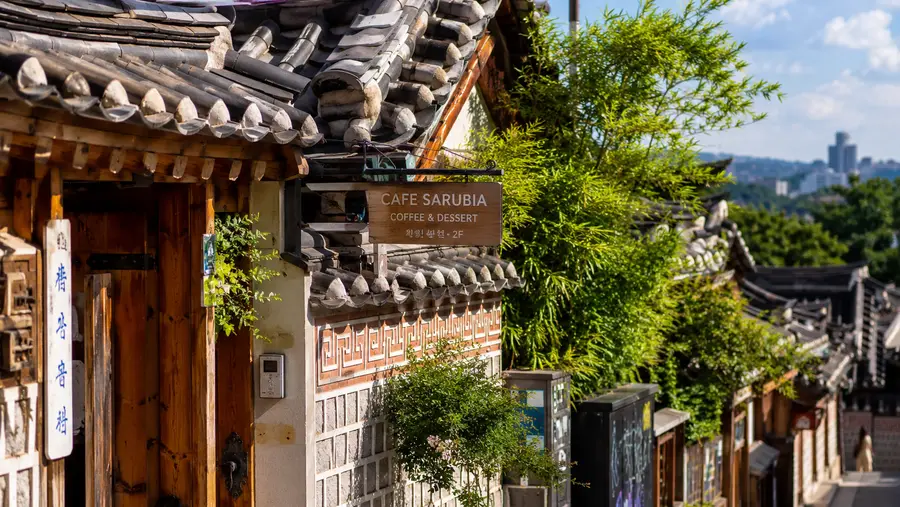
This is where Bukchon truly shines. The village is absolutely dotted with cafes, many of them tucked away in beautifully renovated hanoks, offering incredible views of the traditional rooftops and the city beyond. Finding the best cafe in Bukchon Hanok Village really depends on what you are looking for. Do you want a quiet, traditional experience with herbal tea, or a modern spot with artisanal coffee?
Traditional Korean tea houses are a must-try. They are typically serene, with low tables, cushions, and a menu featuring various fermented teas, rice cakes, and sometimes traditional sweets. These places are perfect for a quiet reflection after walking up and down the village's steep paths. I remember one called Cha Masineun Tteul, meaning "Garden Where Tea is Drunk," which had a stunning courtyard. It felt like a peaceful oasis.
Then you have the more contemporary cafes, often multi-story, with floor-to-ceiling windows that perfectly frame the hanok scenery. These are great for people-watching and getting those iconic photos. Many of them serve excellent espresso-based drinks, along with a selection of pastries and light snacks. You will find a good number of these along the main roads leading into the village. They are often bustling, especially on weekends, so be prepared for a bit of a wait. For more travel tips and insights into this unique area, check out our homepage for bukchon hanok village restaurants and other local guides.
- Traditional Tea Houses: Expect quiet atmospheres, floor seating, herbal teas, and traditional snacks. Often a bit pricier, maybe ₩8,000 - ₩15,000 for a tea set.
- Modern Cafes with Views: Lively, multi-level spaces with great photo opportunities. They serve coffee, lattes, and Western-style desserts. A coffee could run you about ₩6,000 - ₩9,000.
- Hidden Alley Cafes: Smaller, cozier spots tucked away from the main tourist paths. These can be real finds for a unique vibe and usually offer a mix of coffee and tea.
Where to Stay: Hotels and Hanok Stays
Staying in Bukchon Hanok Village is an experience unlike any other in Seoul. Instead of a generic hotel room, you can wake up in a traditional Korean house, complete with ondol (heated floors) and sometimes even a small courtyard. This is where the idea of a "bukchon hanok village airbnb" really comes to life, though many are officially guesthouses. These hanok stays range from very rustic, basic rooms to beautifully renovated, boutique-style accommodations with modern amenities discreetly integrated.
The charm of a hanok stay is undeniable. You get a real sense of history and tradition. The futon-style bedding on the heated floor is surprisingly comfortable, especially in winter. However, it is important to manage your expectations. Walls can be thin, and space is often compact. Some might not have private bathrooms, or the bathrooms might be small wet rooms. If you are a light sleeper, maybe bring earplugs. But for an authentic cultural immersion, it is absolutely worth it.
If you prefer more conventional comfort, there are a few boutique hotels in Bukchon Hanok Village, or just on its periphery, that offer a blend of traditional aesthetics and modern conveniences. These often feature larger rooms, full-service bathrooms, and amenities like concierge services. They tend to be a bit pricier, but you are paying for that extra layer of comfort and privacy. You can find options ranging from around ₩150,000 to ₩400,000 per night, depending on the season and the level of luxury.
Note: Many traditional hanok guesthouses have strict quiet hours, usually starting around 10:00 PM. Since they are often in residential areas, it is important to be respectful of the local community and other guests. This is not the place for late-night gatherings.
| Accommodation Type | Vibe | Typical Price Range (per night) | Best For |
|---|---|---|---|
| Traditional Hanok Guesthouse | Authentic, historical, cozy | ₩85,000 - ₩230,000 | Cultural immersion, unique experience, couples |
| Boutique Hanok Hotel | Refined, modern comfort, traditional design | ₩250,000 - ₩480,000 | Comfort, privacy, couples, small families |
| Modern Hotel (nearby) | Convenient, full amenities, spacious | ₩130,000 - ₩370,000 | Business travelers, families with young children, those seeking Western comforts |
Book your bukchon hanok village experience:
Practical Tips for Your Visit
Bukchon Hanok Village is absolutely beautiful, but it is also a living neighborhood. Residents live here, work here, and appreciate their privacy. So, walking through, remember to keep your voice down, especially when passing by homes. It is not a theme park, you know?
Getting around is mostly on foot. The streets are often steep and cobbled, so comfortable walking shoes are non-negotiable. Seriously, do not even think about heels. Public transport is great for getting to the village's edges. Anguk Station (Line 3) is probably the most convenient access point. From there, it is a 10-minute uphill walk. If you want to dive deeper into planning your visit, including detailed directions and a map, you might find our article on Bukchon Hanok Village Map, Hours & Directions very helpful.
The best time to visit for photos and to avoid the biggest crowds is early morning, right when things open up, or late afternoon, as the tour groups start to thin out. Most shops and cafes open around 10:00 AM or 11:00 AM. Many restaurants will close between lunch and dinner, so check their hours if you plan a late lunch. Trying on a hanbok can also be a fun way to experience the village; we have more details on that in our Top Things to Do in Bukchon Hanok Village guide.
- Visit Timing: Early mornings (before 10:00 AM) or late afternoons (after 4:00 PM) are best for fewer crowds.
- Footwear: Absolutely wear comfortable walking shoes; the village has many steep, uneven paths.
- Respect Residents: Keep noise levels down and avoid peering into private homes.
- Cafe Reservations: Some popular cafes, especially those with prime views, might accept reservations, particularly on weekends.
- Cash vs. Card: Most places accept cards, but having some small Korean won bills is useful for street vendors or tiny shops.
Frequently Asked Questions about bukchon hanok village restaurants
Are there many restaurants directly inside Bukchon Hanok Village?
Not really. The village is mostly residential. You will find more dining options, including cafes and eateries, on the main streets bordering Bukchon, like Samcheong-dong-gil and near Anguk Station.
What kind of food should I look for near Bukchon Hanok Village?
Look for traditional Korean dishes like samgyetang, bibimbap, or various stews. Samcheong-dong offers more modern Korean fusion and international cuisine. Street food can also be found in nearby areas.
Can I find a good cafe or tea house with a view in Bukchon?
Absolutely, Bukchon is famous for its cafes and tea houses, many of which are housed in renovated hanoks and offer stunning views of the traditional rooftops. There are both traditional Korean tea houses and modern coffee shops.
Quick Reference
- Primary Focus: Residential village with limited internal dining.
- Best Food Spots: Edges of the village, Samcheong-dong, Insadong.
- Cafe Vibe: Abundant, from traditional tea houses to modern view cafes.
- Accommodation: Hanok guesthouses offer unique stays; boutique hotels nearby.
- Getting Around: Best on foot; Anguk Station is closest subway.
Book your bukchon hanok village experience:
My Take
Bukchon Hanok Village is one of those places that genuinely sticks with you. It is a living museum, really. While it might not be the primary destination for a huge culinary adventure right in its core, the surrounding areas more than make up for it. The charm of finding a quiet tea house or a small, authentic eatery just outside the main tourist paths is part of the fun. And staying in a hanok? That is an experience I think everyone should try at least once. It connects you to Seoul in a way a modern hotel just cannot. So, go, wander, eat, and find your own little corner of history here. You will love it.
Read more about bukchon hanok village.